
The Original Gardens 2013 -2024
A Gateway to Somewhere Beautiful
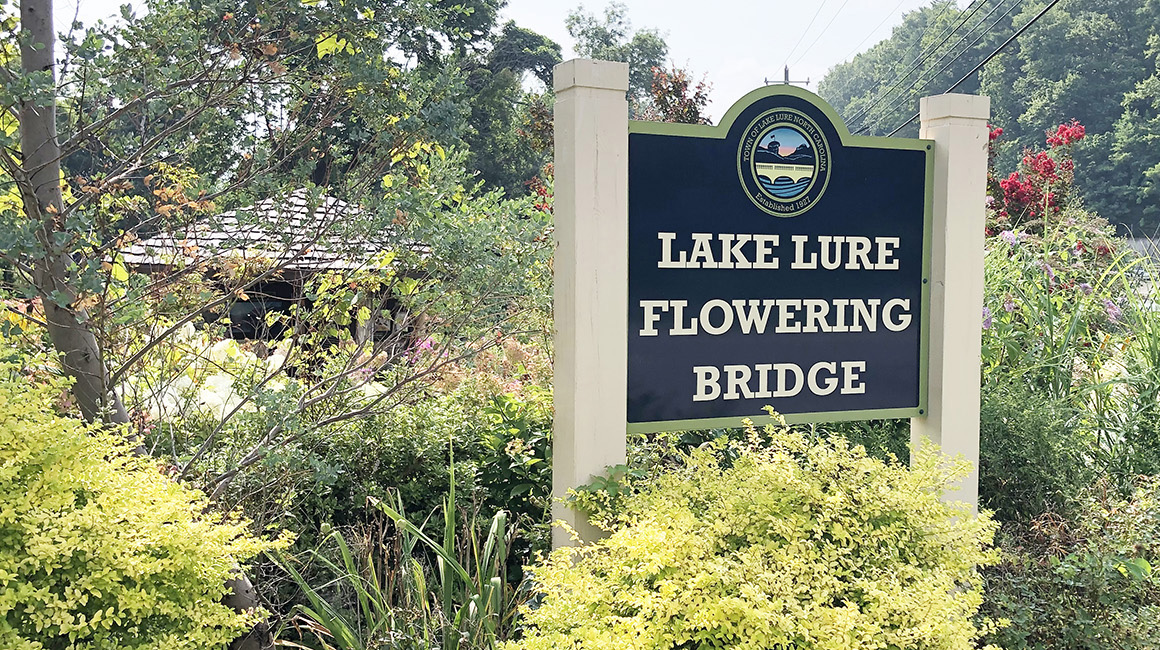
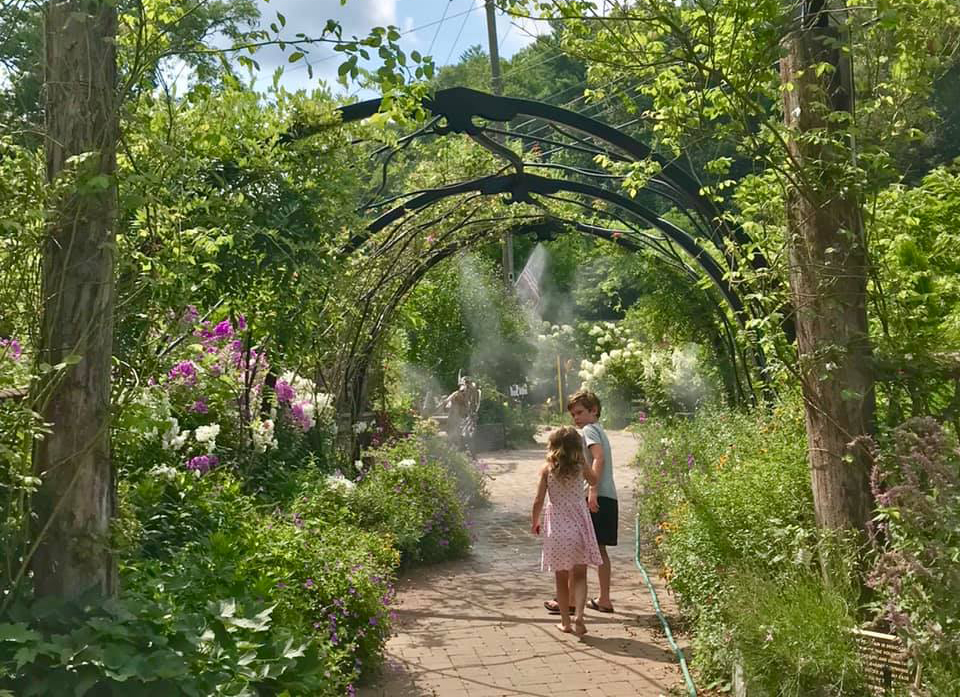
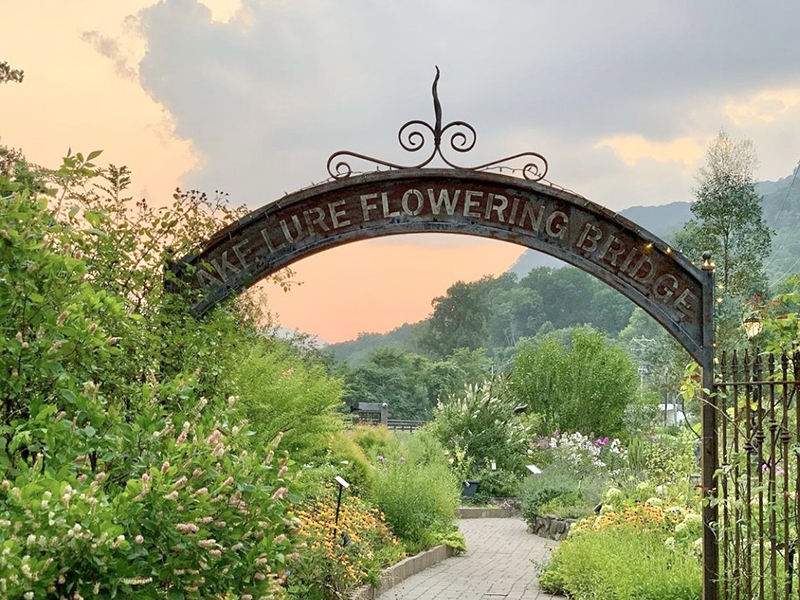
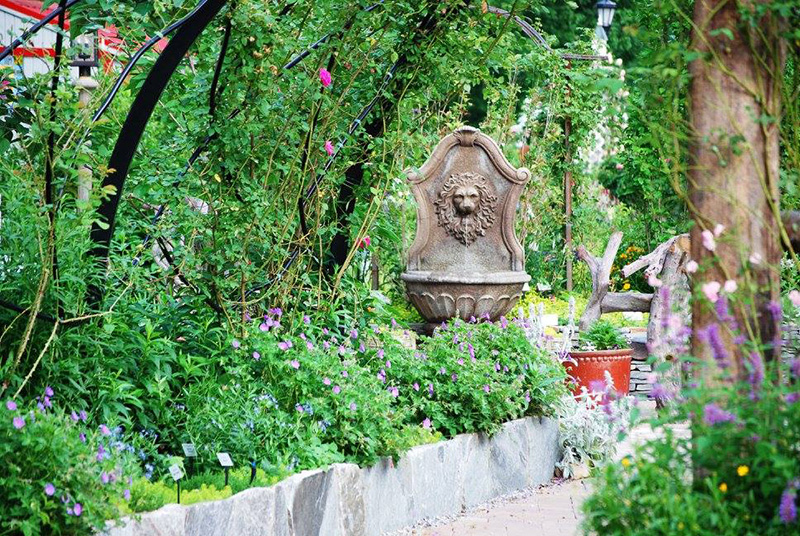
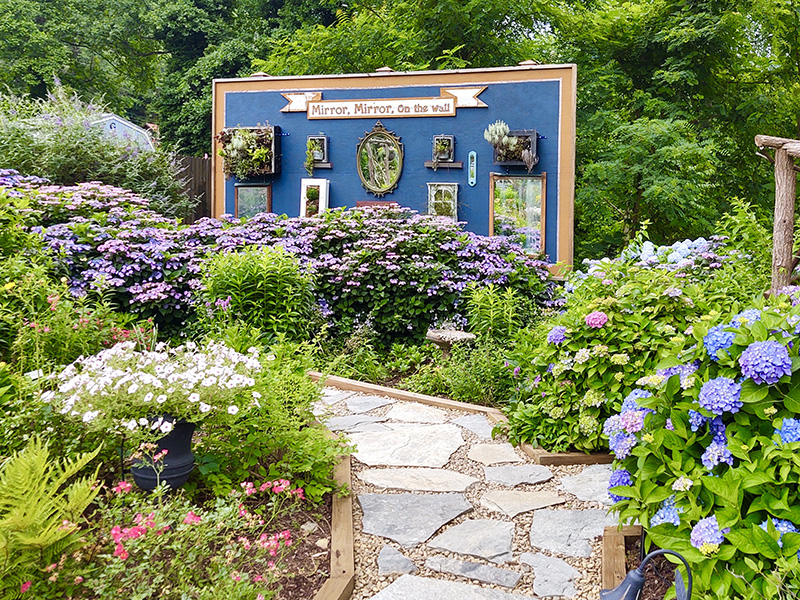
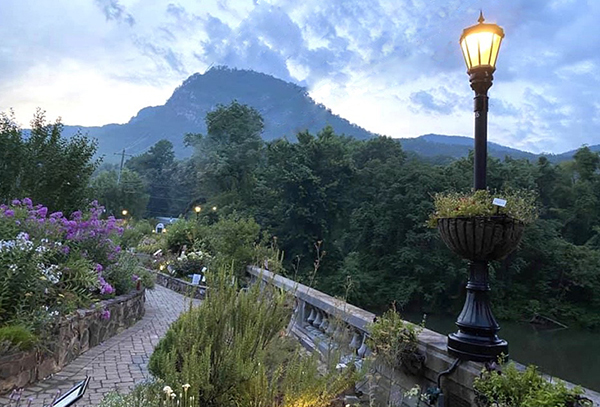
The Lake Lure Flowering Bridge has been the home to more than 2000 species of plants, lovingly tended by local volunteers. From the old Bridge, visitors could look upstream to view the famous Chimney Rock, and downstream where the river flows into Lake Lure surrounded by the foothills of the Blue Ridge Mountains. There was always something to see as the plant and garden decorative displays changes with the seasons. Hurricane Helene forever changed the landscape of our beautiful gardens, but we are here to stay! We remain dedicated to our mission: “To maintain gardens that are enjoyable, inspirational and used to educate people about gardening and its health and environmental benefits.”
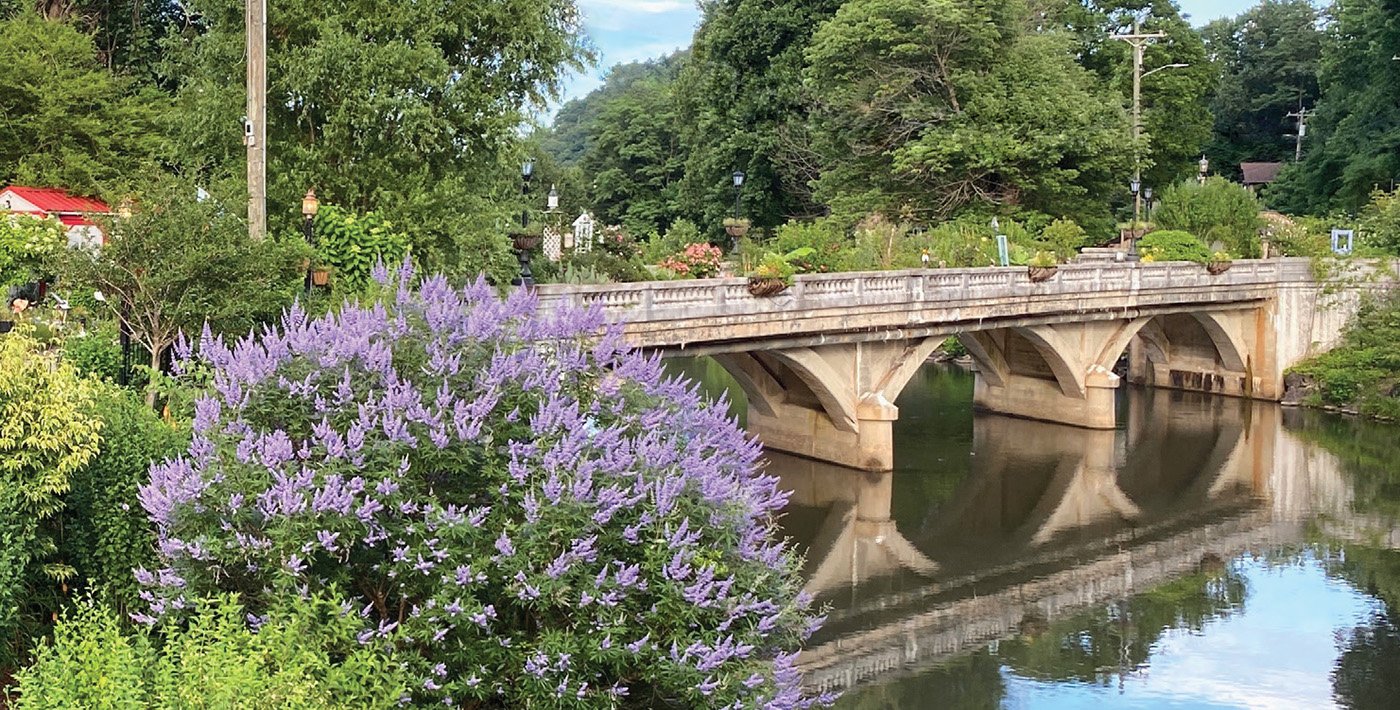
OUR GARDENS BEFORE HURRICANE HELENE
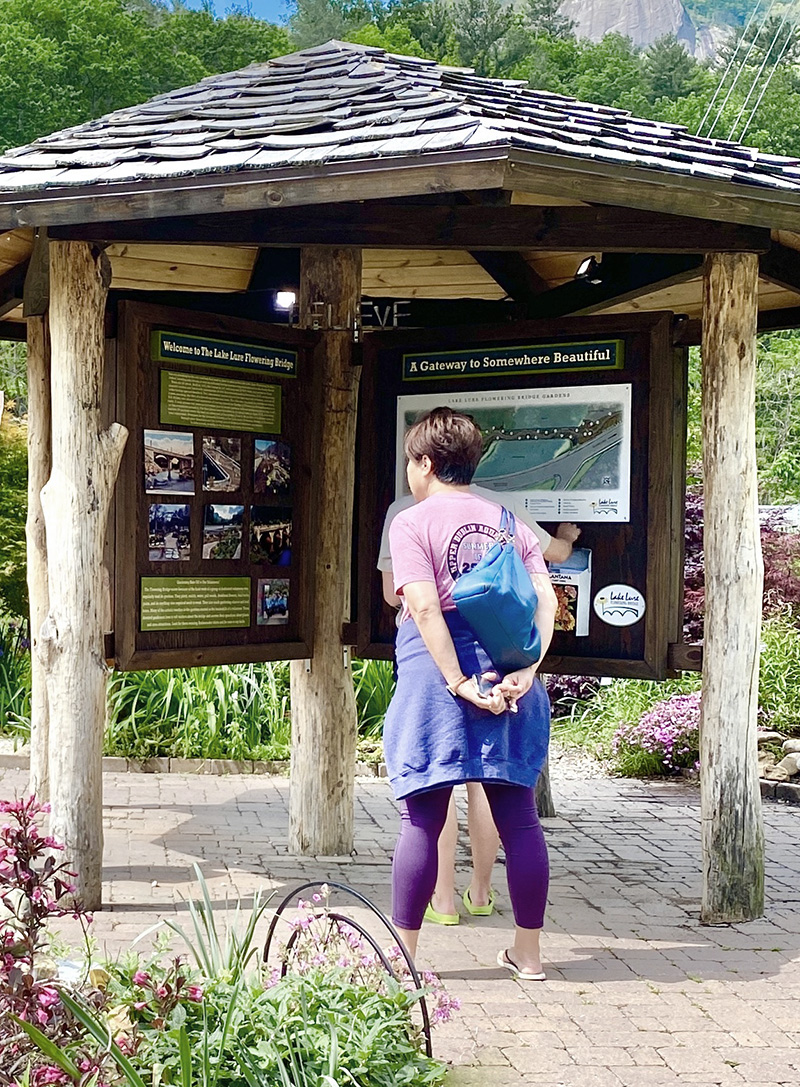
EDUCATIONAL KIOSK
The Friends of the Flowering Bridge volunteers designed an eight-panel educational kiosk, which was installed and dedicated in the spring of 2019. Each panel has a focus.
• A Map of a Gateway to Somewhere Beautiful welcomes you to the gardens.
• Our History includes photos of the development of the gardens from 2011 through today including one of the volunteers who have made this happen. The stories of how they built and maintain the gardens are of particular interest.
• Plants for All Seasons shows how the look of the gardens changes with the seasons and highlights a plant of the month.
• You’ve Got Mail is our whimsical way of sharing educational information with visitors. Hand painted mailboxes house forms, brochures and other printed material.
• All About the Birds and the Bees showcases native bees and the birds found in Hickory Nut Gorge year-round and seasonally.
• Float Like a Butterfly highlights the life cycle and habitats of butterflies. An interactive
true/false butterfly facts game surprises visitors with some of the answers!
• Mountains to Main Street shares the varied activities that Rutherford County provides.
• The Lure of Hickory Nut Gorge tells the unique story of who we are, how we live and the importance of the gorge that cradles us.
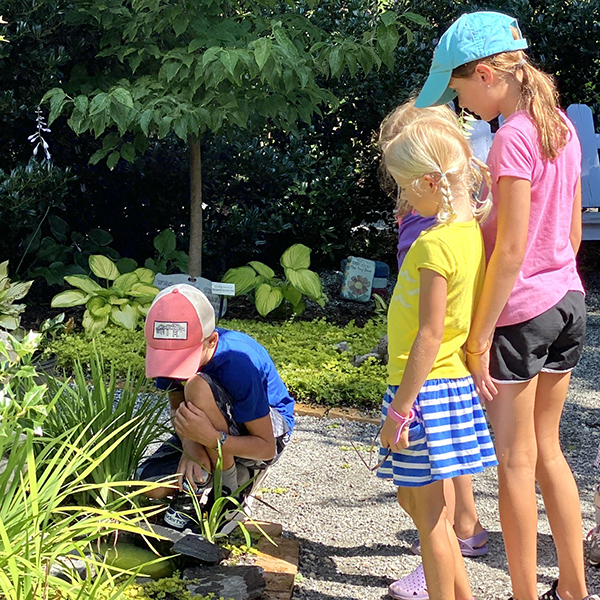
The Secret Garden
Inspired by the beloved children’s book by Frances Hodgson Burnett, our Secret Garden isn’t really a secret, but a special hideaway filled with hollies, pink dogwoods and several different cultivars of hosta. There’s even a resident bullfrog! This is also a special place to rest in the shade on hot days.
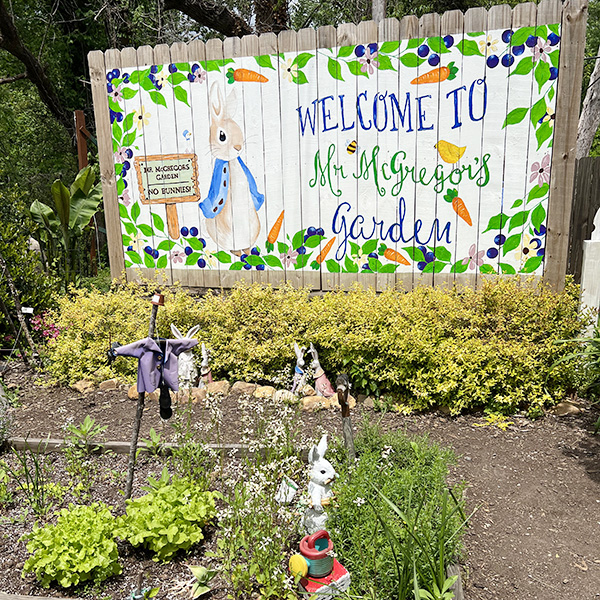
Peter Rabbit Children’s Garden
In the winter of 2020, the Lake Lure Flowering Bridge designed and constructed its first children’s garden. Designed and named after the well-known stories by author Beatrix Potter, the garden is a big draw for children, who can play tic-tac-toe and hopscotch, plant a seed to take home, observe the root systems of growing plants in the observation window, play in the water feature or hide in the pole bean teepee under the keen watch of Mr. McGregor, one of Potter’s characters.
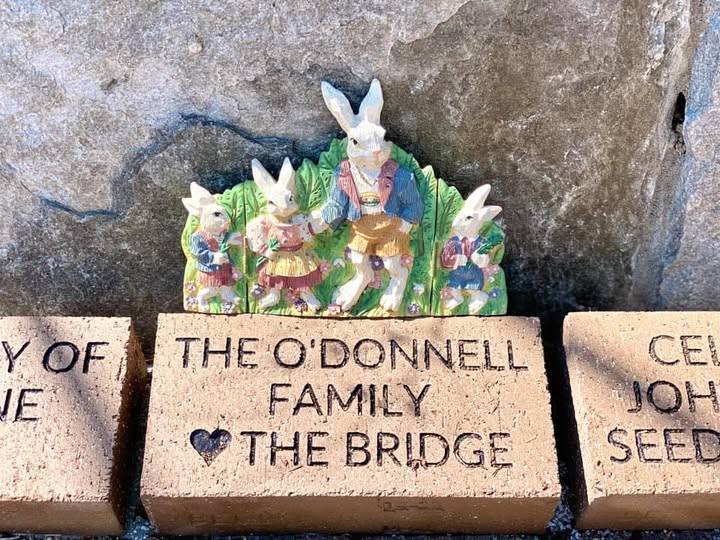
Commemorative Bricks Along the Paths
Commemorative bricks line the Atrium and Kiosk pathways on the west end, as well as the Founders Circle on the east end gardens. Visitors visit the gardens to browse the bricks. We regard these commemorative bricks as special memorials as do all of our supporters. Bricks that were recovered after Hurrican Helene have been lovingly replaced in their origial locations.
The “Say it With A Brick” fundraiser that not only helps sustain the organization but also encourage residents, guests and their friends to connect with this unique attraction. More about our Comemorative Bricks.
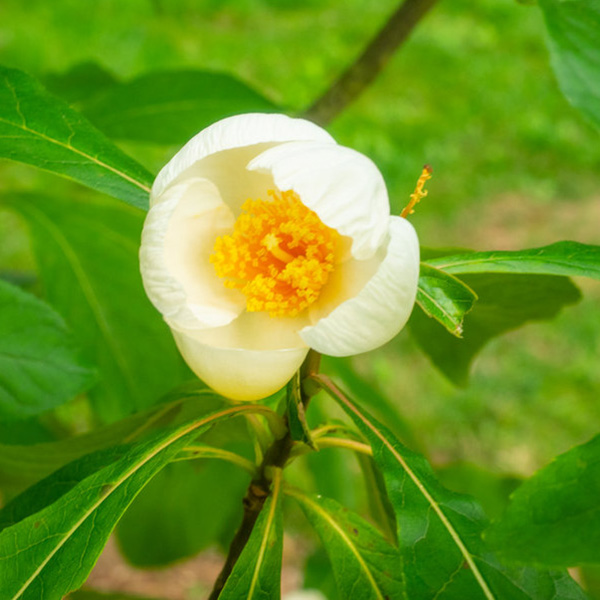
Franklin Tree – “the rarest of the rare native trees”
Discovered by botanists John Bartram (1699-1777) and his son, William (1739-1823), in a small grove along Georgia’s Altamaha River in 1765, the Franklin Tree (Franklinia alatamaha) was named in honor of their friend Benjamin Franklin. Our most historic plant is a member of the tea family. Its white flowers bloom in late August and may continue blooming as its leaves change to red in October. The Franklin Tree, or lost camellia, disappeared completely from the wild by 1803. Only through the efforts of the Bartrams did this truly Native American plant survive. All cultivated plants in existence today descend from one or more of their collected specimens.